A&E Waiting Times in London
Current A&E waiting times at every NHS hospital we track in London. Each card shows the latest published wait, the source of the figure, and a freshness badge so you know how recent it is.
About A&E in London
London has one of the largest concentrations of major A&E departments in Europe, with type 1 emergency departments at flagship teaching hospitals across all four quadrants of the capital. Waiting times here are typically among the highest in England because of population density and visitor numbers.
Quietest hours: London A&Es are typically quietest between 5am and 7am on weekdays. Friday and Saturday evenings, and Monday mornings, see the longest waits.
Region average
4 hr 52 min
across all tracked hospitals
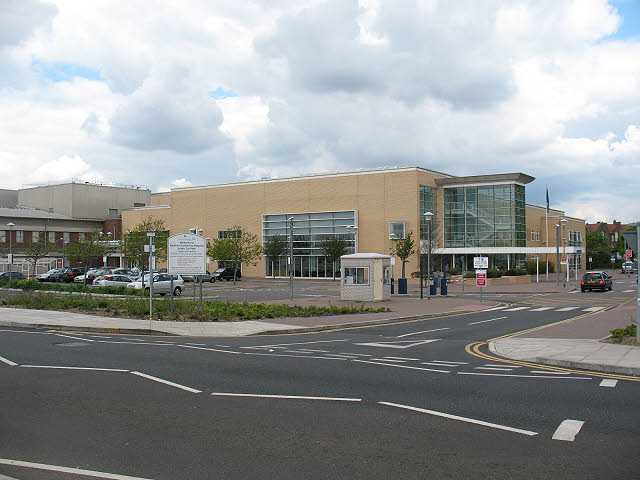

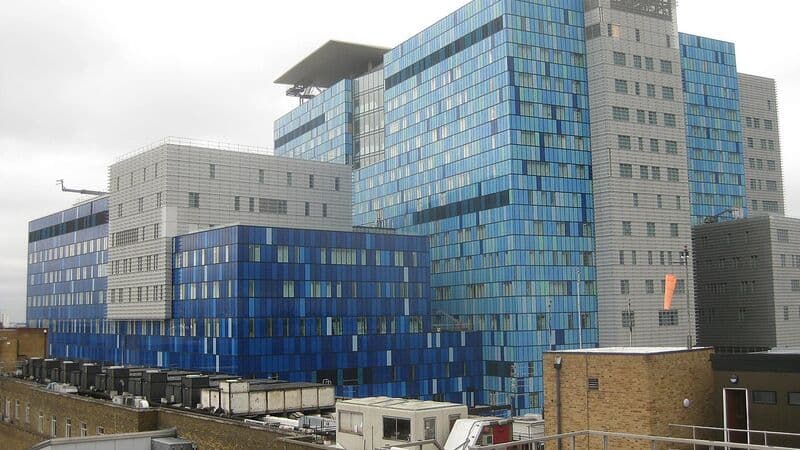
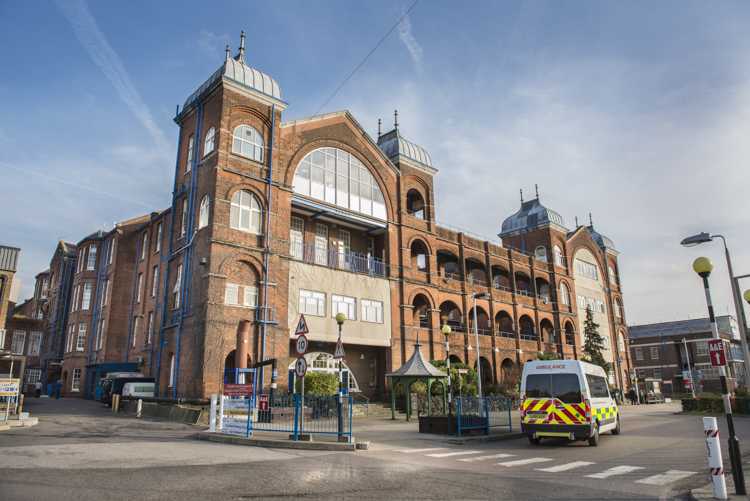
What to know about A&E in London
- Several London hospitals operate as Major Trauma Centres — for serious trauma, the London Ambulance Service may bypass closer A&Es and take you to one of these specialist sites.
- If you live in inner London, an Urgent Treatment Centre (UTC) is often faster than A&E for minor injuries.
- Children's emergency care is concentrated at specialist sites like Great Ormond Street, Evelina London and the Royal London — your nearest paediatric A&E may not be your nearest A&E.
Who runs A&E in London
A&E performance in London is reported under NHS England, with strategic oversight from the London Region team. The capital's A&E departments are operated by acute NHS Trusts and university hospital foundation trusts.
Major trusts & health boards in the region
- Imperial College Healthcare NHS Trust
- King's College Hospital NHS Foundation Trust
- Guy's and St Thomas' NHS Foundation Trust
- Barts Health NHS Trust
- University College London Hospitals NHS Foundation Trust
Browse other regions
About this London directory
Each entry shows the current waiting time, the source of that figure, and a freshness badge — Live, Latest published, Monthly average, or Estimated — so you know exactly how recent each figure is. Read our methodology for full source disclosure.
Not a substitute for medical advice. In a life-threatening emergency, call 999. For non-urgent advice, call NHS 111.