A&E Waiting Times in Midlands
Current A&E waiting times at every NHS hospital we track in Midlands. Each card shows the latest published wait, the source of the figure, and a freshness badge so you know how recent it is.
About A&E in Midlands
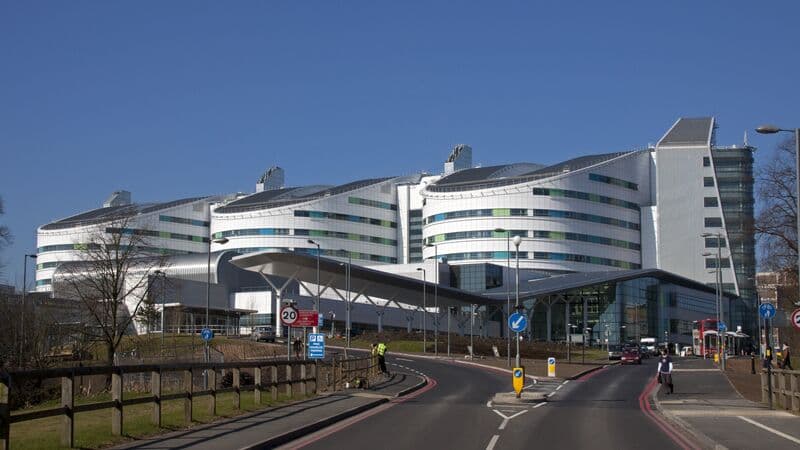
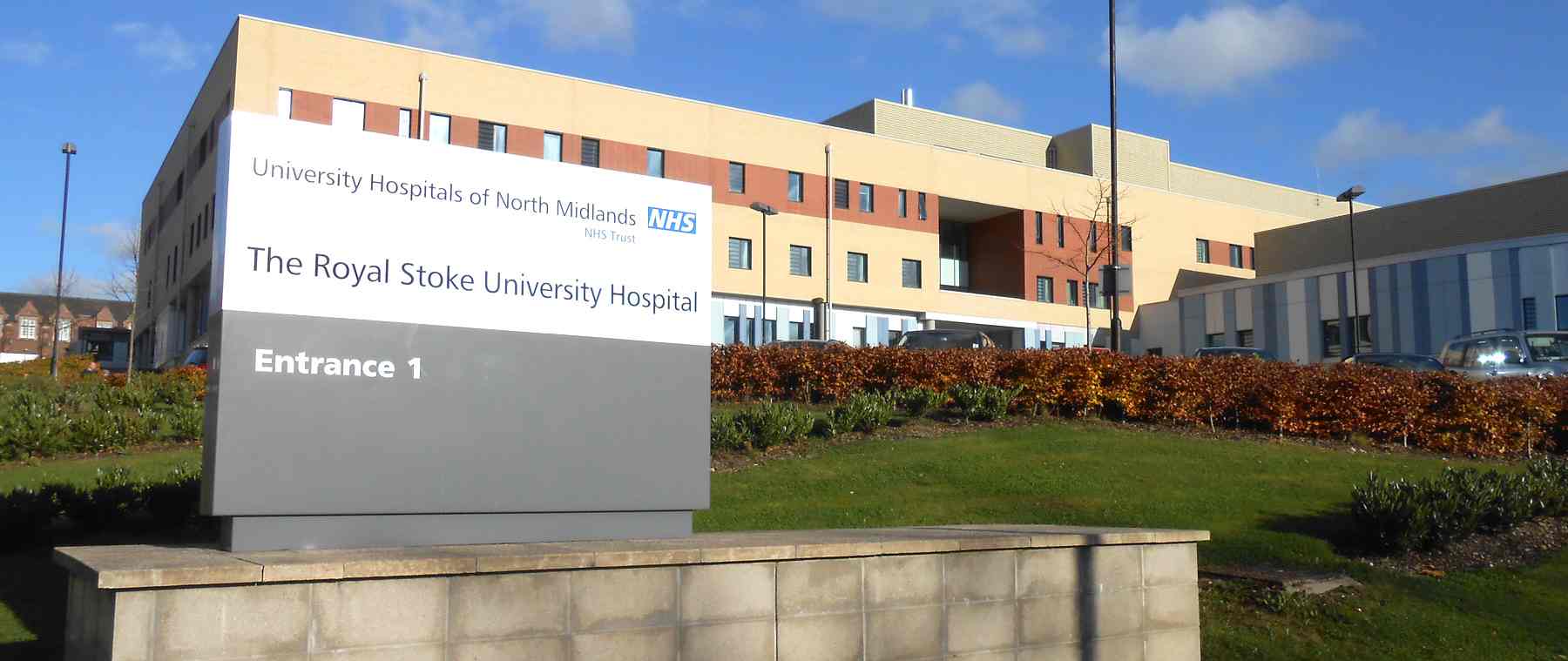
The NHS England Midlands region — covering the East Midlands, West Midlands, Birmingham and the Black Country — is one of the largest by population. It includes some of the busiest type 1 A&E departments in the country, including Queen Elizabeth Hospital Birmingham and the Royal Stoke.
Quietest hours: Midlands A&Es are typically quietest between 4am and 7am on weekdays. Friday and Saturday evenings see the longest waits at the major Birmingham, Coventry and Stoke sites.
Region average
2 hr 59 min
across all tracked hospitals
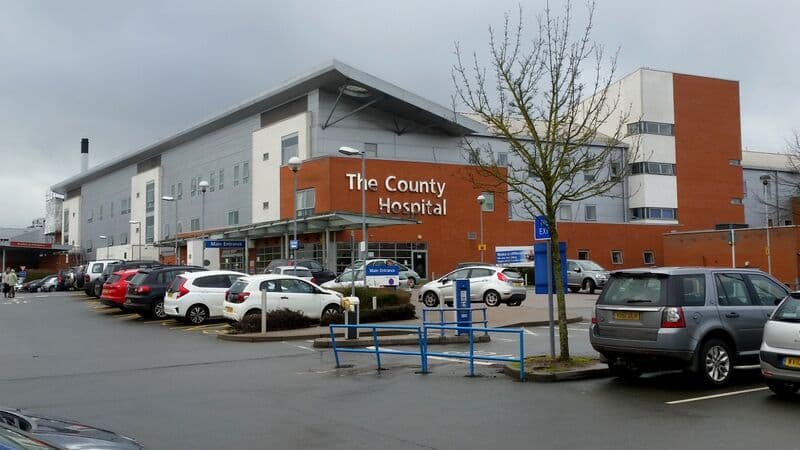
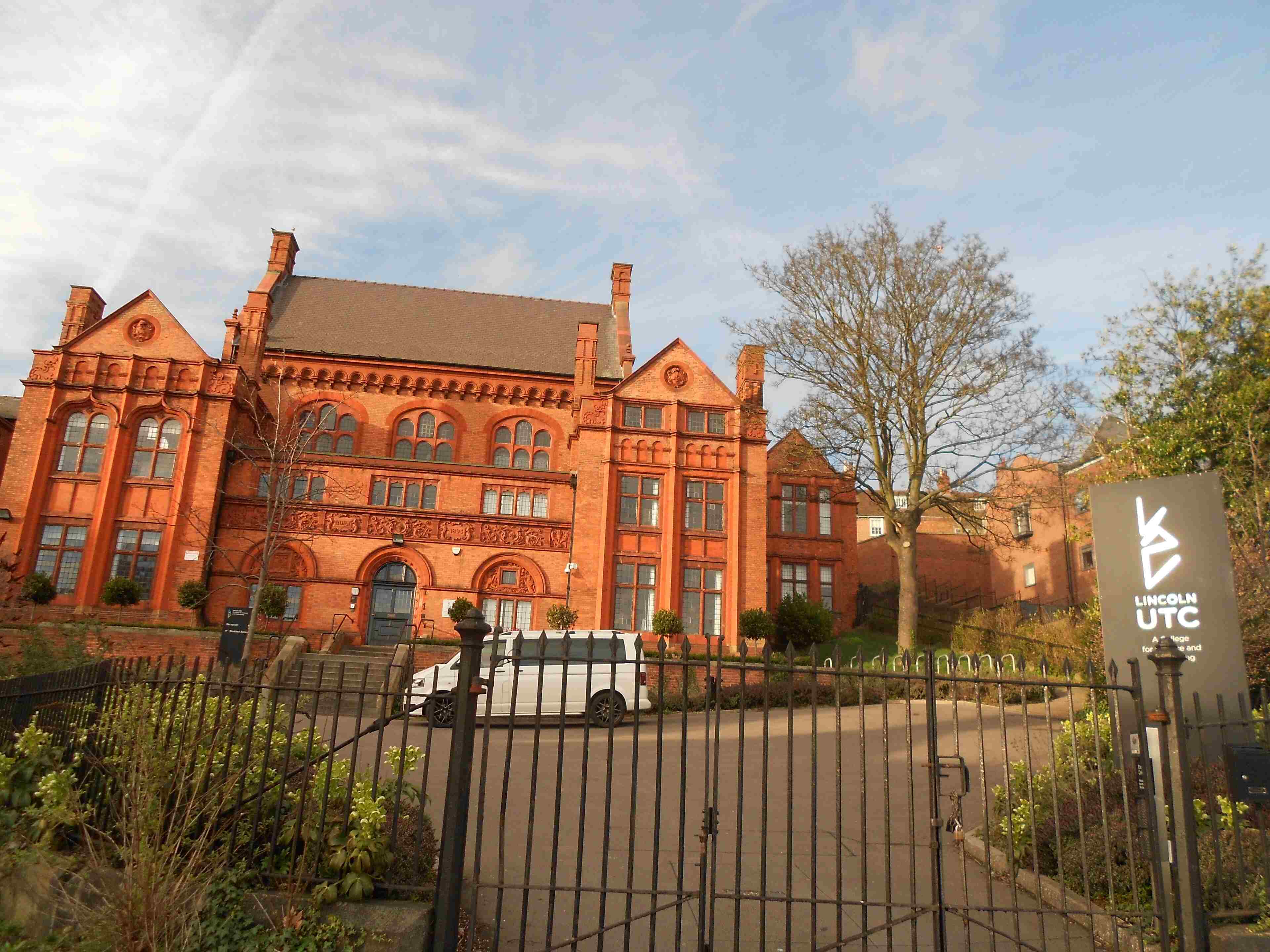
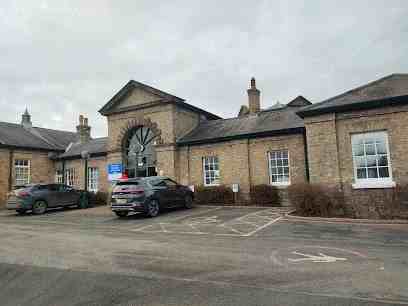



What to know about A&E in Midlands
- Queen Elizabeth Hospital Birmingham is one of the largest single-site hospitals in Europe and routinely reports very long waiting times during winter pressure.
- Some hospitals in the region publish near-real-time A&E waiting dashboards — these are clearly labelled 'Live' on this page.
- Children's A&E and gynaecological emergency services are sometimes co-located on the same site as the main A&E — check the hospital page for the right department.
Who runs A&E in Midlands
A&E performance is reported under NHS England's Midlands Region. Major Trauma Centres in the region include Queen Elizabeth Hospital Birmingham and University Hospital Coventry.
Major trusts & health boards in the region
- University Hospitals Birmingham NHS Foundation Trust
- University Hospitals Coventry and Warwickshire NHS Trust
- University Hospitals of North Midlands NHS Trust
- Nottingham University Hospitals NHS Trust
Browse other regions
About this Midlands directory
Each entry shows the current waiting time, the source of that figure, and a freshness badge — Live, Latest published, Monthly average, or Estimated — so you know exactly how recent each figure is. Read our methodology for full source disclosure.
Not a substitute for medical advice. In a life-threatening emergency, call 999. For non-urgent advice, call NHS 111.