Minor Injuries Unit Waiting Times UK Directory
Browse every NHS Minor Injuries Unit we track across England, Scotland, Wales and Northern Ireland. Compare current waits before you set off, or filter by region, country or postcode.


















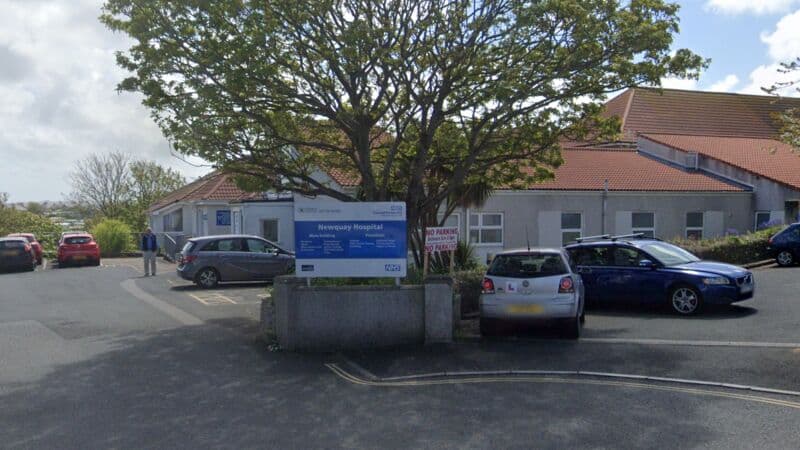
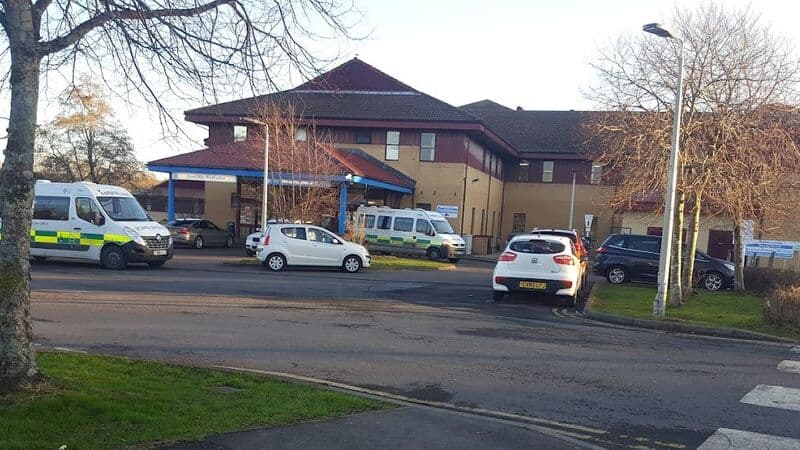
















Browse by region
About NHS Minor Injuries Units
A Minor Injuries Unit (MIU) is a walk-in NHS service that treats recent, non-life-threatening injuries — sprains and strains, suspected simple fractures, minor cuts, minor burns and scalds, insect and animal bites, minor head injuries that did not cause loss of consciousness, foreign bodies in eyes, ears and noses, and minor eye infections. Most MIUs have an X-ray facility on site during opening hours and are staffed by emergency nurse practitioners who can assess, treat and prescribe for the conditions they handle.
MIUs are not a substitute for A&E. If you have chest pain, suspected stroke (use the FAST test), severe breathing difficulty, heavy bleeding that will not stop, a head injury with loss of consciousness, severe burns, or any condition you think could be life-threatening, call 999 or go straight to an A&E department. MIUs cannot treat heart attacks, strokes, major trauma or anything requiring surgery. If in doubt, call NHS 111 — they will direct you to the right service and can book you a timed slot at an MIU, Urgent Treatment Centre or A&E.
Why use an MIU instead of A&E? For the conditions they treat, MIU waiting times are typically a fraction of A&E waits. A 4-hour A&E wait is common during evening and weekend peaks; the same sprained ankle or simple fracture seen at an MIU is usually completed within an hour. MIUs are also closer to home in many areas — particularly in rural parts of Wales, Scotland, the South West and Northern Ireland, where the nearest A&E may be 30+ miles away but an MIU sits in the local community hospital.
How to read the waiting times on this page. Each card shows the most recent waiting figure we have for that unit, paired with a freshness badge: Live when the figure was published in the last hour by the trust’s own dashboard, Latest published when it comes from the most recent NHS England, NHS Wales, Public Health Scotland or HSC Northern Ireland release, Monthly average when only the previous month’s averaged figure is available, and Estimated when the unit publishes infrequently and we have modelled an indicative figure from history. Every figure links through to a page that shows the full source and the time the data was last updated.
MIU vs UTC vs walk-in centre — what’s the difference? An MIU handles minor injuries. An Urgent Treatment Centre (UTC) does everything an MIU does plus a wider range of urgent illnesses — chest infections, urinary tract infections, abdominal pain that is not severe, allergic reactions and so on. UTCs are gradually replacing the older walk-in centre and minor injuries unit terminology in England. Wales, Scotland and Northern Ireland still use the term “MIU” widely. If you are unsure whether your problem is an injury or an illness, NHS 111 will pick the right venue for you.
What to bring. A list of any medications you take, the name and dose of anything you take regularly, your GP surgery name, and any recent letters or test results that are relevant to the injury. If a child is being seen, bring their red book or vaccination record. You do not need an appointment to attend most MIUs but calling NHS 111 first often gets you a booked slot, which can mean a shorter wait when you arrive.
Not a substitute for medical advice. In a life-threatening emergency, call 999. For non-urgent advice, call NHS 111 or visit 111.nhs.uk.
Minor Injuries Unit — Frequently Asked Questions
The most common questions about MIUs in the UK — what they treat, how long the wait is, and how they differ from A&E.
Do you need an appointment for a Minor Injuries Unit?
No. Every NHS Minor Injuries Unit in the UK is walk-in. You can turn up during opening hours without an appointment and be seen in order of clinical priority. That said, calling NHS 111 first often gets you a booked time slot at an MIU or Urgent Treatment Centre, which usually means a shorter wait once you arrive — and 111 will check that the MIU is the right service for what you have.
What does a Minor Injuries Unit treat?
MIUs treat recent, non-life-threatening injuries: sprains and strains, suspected simple fractures of arms, legs, fingers and toes (most have an X-ray facility on site during opening hours), minor cuts that may need glue or stitches, minor burns and scalds, insect and animal bites, foreign bodies in eyes, ears and noses, minor eye infections, and minor head injuries that did not cause loss of consciousness or vomiting. They cannot treat chest pain, suspected stroke, severe abdominal pain, breathing difficulty or anything potentially life-threatening — those need 999 or A&E.
Is an MIU faster than A&E?
Almost always, yes — for the conditions an MIU is designed to treat. A typical sprained ankle, simple fracture or minor cut is seen and discharged within an hour at an MIU; the same presentation at a busy A&E often waits three to four hours because A&E triage prioritises life-threatening cases first. The catch is that an MIU only treats minor injuries, so if your problem is outside its scope you will be redirected to A&E and the trip is wasted. If you are unsure, call NHS 111 first — they will pick the right service for your symptoms.
What are typical MIU opening hours?
Opening hours vary widely between MIUs. Some are open 8am to 8pm every day, some open 9am to 5pm on weekdays only, and some run extended hours into the evening. A few rural MIUs in Wales, Scotland and Northern Ireland operate as nurse-led drop-ins with seasonal hours. Always check the specific MIU's hours before travelling — the cards on this page link through to each unit's profile, where current opening hours are listed alongside the wait time.
Can a Minor Injuries Unit do X-rays?
Most NHS MIUs have an on-site X-ray department that operates during the unit's main opening hours, typically covering arms, legs, fingers, toes, hands, feet, ribs and chest. A small number of smaller community MIUs do not have X-ray on site or only have it on certain days; if you suspect a broken bone, it is worth checking before travelling. CT scans, MRI and ultrasound are not available at MIUs — those need a hospital with an A&E or radiology department.
Can children go to a Minor Injuries Unit?
Most MIUs treat children from age 1 upwards for minor injuries. Some larger units take babies under 1, others refer all under-1s straight to A&E or a paediatric assessment unit because babies need specialist clinical assessment. Policies vary by trust, so check the specific MIU before travelling with a young child. For any child with a head injury that caused loss of consciousness, persistent vomiting, severe pain, breathing difficulty or any sign of serious illness, go straight to A&E or call 999.
How long is the wait at a Minor Injuries Unit?
MIU waits are typically much shorter than A&E waits — often under an hour for simple injuries during off-peak times, rising to two or three hours during evening and weekend peaks at busier urban units. The exact figure depends on the unit, the time of day, and how many other patients arrived ahead of you. Every MIU on this page shows its most recent waiting figure with a freshness label (Live, Latest published, Monthly average or Estimated) so you can see at a glance how recent the number is before you set off.
Are Minor Injuries Units free?
Yes. NHS Minor Injuries Units are free at the point of use for everyone, regardless of GP registration, employment status or immigration status, in line with NHS rules on emergency and urgent care. You will not be asked to pay anything to be assessed, X-rayed, treated, stitched, plastered or prescribed for at an MIU. Prescriptions issued at the MIU are charged at the standard NHS rate in England (Wales, Scotland and Northern Ireland have free prescriptions).
Related guides & directories
- A&E vs MIU vs UTC — which one do you need?Plain-English UK comparison with a decision table showing exactly what each service treats.
- Browse all NHS A&E departmentsThe full UK A&E directory with live waiting times for every department we track.
- Find your nearest NHS A&E or MIUUse your location or postcode to find the closest NHS unit, ranked by distance and current wait.